HSS 4.2.1

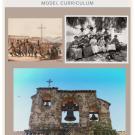
California Missions Through Native American Perspectives Unit

Exploring California Indian History with the CIMCC CA Missions Native Website

HSS 4.2.1, HSS 4.2.5, RI.4.1, RI.4.7, RI.4.9, W.4.2, W.4.7, W.4.8, SL.4.1, SL.4.4, L.4.3

This unit explores the history and lasting impact of the California mission system through the lens California Native perspectives, using the California Indian Museum and Cultural Center’s CA Missions Native website. In Lesson 1, students: Explore California Indian history and culture before and during the mission period; Analyze the impact of the missions on Native American communities; and Use the CIMCC CA Missions Native website as a research tool to answer questions about California Indians.

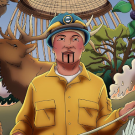
Ishi starting a fire

Understanding Cultural Erasure through the Case of Ishi

HSS 4.2.1, HSS 4.3, HSS 4.4.1, RI.4.1, W.4.2, SL.4.1

Students will learn about cultural erasure. Students will reflect on Ishi’s legacy and how it influences modern understanding of cultural respect and human rights. This lesson plan helps students critically analyze historical narratives, develop empathy, and practice respectful communication in their writing. This lesson covers the life and history of Ishi, the last Yahi, and how his story reflects the broader experience of Native American communities in California.

Desert Superblooms

HSS 4.2.1, 4-ESS3-2, SL.4.1

Students study the science behind desert superblooms and their ecological roles. They explore how climate change could affect bloom frequency and biodiversity. The lesson includes a student research activity, concept mapping, and creative expression to demonstrate understanding and advocacy.

Dry yellow desert blooms CA Academy Sciences Cahuilla Unit

Ancestral Connections to the Desert

HSS 4.2.1, SL.4.1, 4-ESS3-2

Students explore how Indigenous peoples, particularly through the Native American Land Conservancy (NALC), preserve ancestral lands and cultural practices. They reflect on the intersection of cultural heritage and environmental conservation. A reflective writing activity deepens understanding of how cultural identity and ecological stewardship are interwoven.