Grade 2

Up close image of acorns.

All About Acorns

1-LS1-1, 1-LS3-1, K-2-ETS1-1, RI.1.1, SL.1.1, W.1.2

Students are introduced to acorns through sensory exploration, storytelling, and creative activities. They learn to identify parts of the acorn (cap, shell, seed), understand its life cycle, and recognize its role in the ecosystem. Students engage in labeling, drawing, and crafting to reinforce their learning while also connecting to Indigenous perspectives on nature.
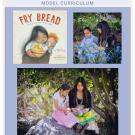
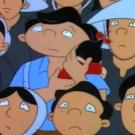
Mr. Huynh, voiced by Baoan Coleman, holds his baby daughter, Mai.

Tracing the “Phamily” History

HSS 2.1, HSS 2.2, RI.2.6, SL.2.4

Students will describe and reflect on reasons Vietnamese refugees moved to America, or their local communities, through a multimedia analysis and explore their own family history with an interview and creating a medium of choice.

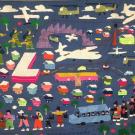
Top - refugees fleeing Laos & Bottom - line of people Hmong Story Cloth

From Laos to the United States

HSS 2.1.1, HSS 2.2.3, RL.2.7, W.2.3

After reading the story “Dia’s Story Cloth,” students will be able to describe how Dia’s life was affected or changed by the Secret War in Laos, locate Southeast Asia on a map, and explain why Hmong people moved to Southeast Asia and came to America.

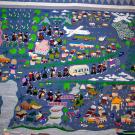
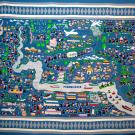
Story Cloth depicting Hmong life across Laos from Hmongstory Legacy Collection.

Tracing Stories of Home

HSS 2.1.1, W.2.3, SL.2.1, RL.2.3

Students will trace the character Mai’s family story in the “The Whispering Cloth” and understand how the Secret War contributed to the Hmong diaspora and affected what their concept of home is. This will allow students to create a story cloth to narrate their own family story of when the family moved to the local community and how and why they made the trip.

Story cloth narrating Hmong migration from Hmongstory Legacy Collection.

Narrating Hmong Migration

HSS 3.3.3, RI.3.7, SL.3.4

Students will be able to understand the importance of intergenerational storytelling by listening and discussing with an elder family or community member. Students will explain and describe their own migration and/or daily life story as a way to practice narrating their own stories.