Grade 2

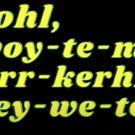
Honoring Our Ancestors: Sierra Valley Wel-mel-ti

HSS 2.1, HSS 2.5, RF.2.4, RL.2.1, RL.2.2, RL.2.3, ELD Grade 2 : Exchanging information and ideas, ELD Grade 2 : Listening actively, ELD Grade 2 : Reading/viewing closely

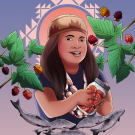
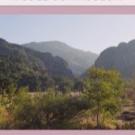
This unit introduces students to the Northern Washoe Indians, or Wel-mel-ti, who lived in Loyalton, California, and throughout the Sierra Valley. Students will benefit from this rare example of Wel-mel-ti perspectives on an important time and place, through the tangible stories of actual Wel-mel-ti people, shared by those individuals and their family members. Too often, Native American voices have been missing from the social studies and historical records taught in U.S. schools. This has led to a warped understanding of American peoples’ history, present, and future together, and allows erasure and negative stereotypes to harm Native students.
Land Acknowledgements Honoring CA Native  Land and People Unit 1.

Land Acknowledgment Toolkit

Toolkit developed by CA Indian Culture & Sovereignty Center and CSU San Marcos American Indian Studies. The purpose of the toolkit is to encourage all academic staff, students, administrators to acknowledge the original nations on whose land we live, learn, and work.

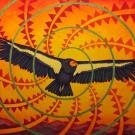
Return of the Condor © Jackie Fawn

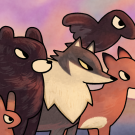
The Beautiful Buzzard: Yurok Storytelling and Shadow Puppet Performance

This engaging and culturally rich unit invites young learners to explore the power of storytelling through the lens of the Yurok Tribe, the largest tribe in California and a Native community with a deep presence in Northwestern California. Ernie Albers, Yurok Storyteller shares his story “The Beautiful Buzzard” to engage students with the traditional artform of storytelling, how stories carry important messages, teach life lessons, and keep cultures alive across generations.

Condor Returns

Condor Returns

This interdisciplinary lesson explores the near extinction and ongoing recovery of the California Condor, highlighting the critical role played by the Yurok Tribe Wildlife Program in northwestern California.

Acorns on tree branch

Who Benefits from Oak Trees Gifts and How to be a Steward

1-LS1-1, K-ESS3-1, RI.1.3, SL.1.1, W.1.2

Students explore the concept of the oak tree as a keystone species and learn who benefits from its gifts—humans and wildlife alike. They are introduced to Indigenous stewardship, including controlled burning as a traditional practice to support oak habitats. Students engage in discussion, categorization activities, and create artwork or writing to define their role as stewards of the land.