

Grade 4
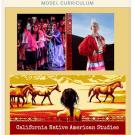
Ishi: A Story of Dignity, Hope, and Courage Unit - Lessons 7-12
HSS 4.2This unit explores the life and legacy of Ishi, the last known member of the Yahi people, as a gateway to understanding Indigenous history, culture, and resilience. Through his story, students investigate the cultural values, survival strategies, and spiritual practices of the Yahi, while critically examining how Ishi has been represented and sometimes misrepresented in history and media. The unit also addresses broader themes of cultural erasure, Indigenous leadership, and the ethical considerations surrounding Ishi’s experiences both in life and after death. By engaging with these topics, students develop empathy and a nuanced appreciation of Indigenous identities, the impact of colonization, and the ongoing efforts toward cultural preservation, repatriation, and justice.

Land Acknowledgment Toolkit
Toolkit developed by CA Indian Culture & Sovereignty Center and CSU San Marcos American Indian Studies. The purpose of the toolkit is to encourage all academic staff, students, administrators to acknowledge the original nations on whose land we live, learn, and work.
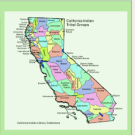
Maidu Bear Dances
3-LS2-1, 4-ESS3-1, 5-ESS3-1The lesson centers California Native American perspectives, with a focus on the Maidu tribe, highlighting the ways Indigenous knowledge and ceremonies honor the natural world and guide responsible stewardship. In this lesson, students will explore the cultural significance of the Maidu Bear Dance and its deep connection to nature. Through learning about the Maidu People's respectful relationship with the land and animals, students will gain insight into how traditional cultural practices support environmental sustainability and conservation.
New Conversations about Grizzlies
3-LS4-3, 3-LS4-4, 4-ESS3-1, 5-ESS3-1, 5-PS3-1The lesson highlights the importance of grizzly bear conservation while centering California Native American perspectives, including insights from the Gabrieleno/Tongva tribe, to deepen understanding of Indigenous relationships with the land and wildlife stewardship. In this lesson, students will investigate the ecological role of grizzly bears and how human activity has affected their habitats and survival.

Respect, Reciprocity, and Reverence
3-ESS3-1, 4-ESS3-1, 5-ESS3-1, 3-LS4-4, 4-LS1-1, 5-PS3-1Through learning from California Native American perspectives, including voices from the Gabrieleno/Tongva tribe, students will explore how these values guide environmental stewardship and cultural practices. This lesson introduces students to core values within Indigenous knowledge systems, respect, reciprocity, and reverence, and their role in fostering sustainable relationships with the environment. The lesson encourages reflection on personal and collective responsibilities to the land and invites students to identify meaningful ways to honor and care for their local environment through everyday actions.
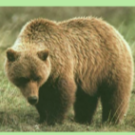
Setting the Foundation for Grizzlies to Return
3-LS4-4, 4-ESS3-1, 5-ESS3-1In this lesson, students will explore the importance of habitat restoration and conservation through the lens of grizzly bear recovery efforts. The lesson centers Indigenous knowledge, featuring perspectives from California Native communities, including members of the Gabrieleno/Tongva tribe, to highlight traditional ecological understandings and relationships with wildlife.
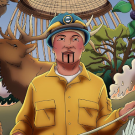
Forest and Fires
HSS 4.1, HSS 4.2, HSS 4.2.1, 4-ESS3-1, RI.4.4, RI.4.7, SL.4.2This cross curricular lesson introduces students to the differences between wildfires and cultural or controlled fires, grounding their learning in both traditional ecological knowledge and scientific understanding. Designed for 4th grade learners, the lesson uses clear language and high-interest visuals to explain how Indigenous fire practitioners have used fire as a powerful tool to care for their ancestral territory and ecosystems for generations.