Grade 8
Traditional Ecological Knowledge
This lesson introduces the concept of Traditional Ecological Knowledge. Students will be shown examples of Yurok TEK and will be introduced to gathering policies. Students will evaluate maps as they relate to reservation land versus public land use. This lesson is designed for middle school students and includes supports for multilingual learners at the Bridging proficiency level.
Lesson 3: Yurok Country - Since Time Immemorial
In this lesson, students will review the importance of the Chah-pekw O’ Ket’-toh Stone Lagoon Visitor Center and Sue-Meg State Park. Students will be introduced to the California State Park Reexamining Our Past Initiative. Using different California State Park websites, students will analyze how the parks can be updated to reflect their Indigenous history.
Yurok Country - Since Time Immemorial
This lesson addresses a brief history of Yurok and other Indigenous People in Humboldt County in relation to early exploration efforts and the change that was brought about from the fur trade and gold rush. This lesson also includes the brief history and importance of the Chah-pekw O’ Ket’-toh Stone Lagoon Visitor Center and Sue-Meg State Park. This lesson is designed for middle school students and includes supports for multilingual learners at the Bridging proficiency level.
Yurok Land and the California State Parks
RI.6.7, WHST.6-8.7, HSS 8.8.2, WL.CM1.N: Interpretive CommunicationThis middle school unit offers teachers a meaningful and engaging opportunity to bring California’s Indigenous history and contemporary partnerships into the classroom through the lens of the Yurok Tribe’s work with California State Parks. Through four thoughtfully designed lessons, students will explore the ancestral and present-day relationship between the Yurok people and the lands now known as Sue-Meg State Park and the Chah-pekw O’ Ket’-toh Visitor Center in Humboldt County. The unit highlights themes of land stewardship, cultural preservation, Yurok language integration, and historical reexamination, and introduces students to the significance of Traditional Ecological Knowledge (TEK) in caring for the land.
Native Ways of Knowing Mock Trial: The People vs. Governor Peter Hardeman Burnett
This mock trial learning activity will allow students to question and consider California’s first governor, Peter Hardeman Burnett’s policies and treatment of Native Americans. This activity encourages students to analyze history critically and empathize with those impacted by injustice. This mock trial script is designed to engage students in critical thinking about history while fostering empathy and analytical skills. This activity encourages critical thinking, empathy, and a deeper understanding of history. This lesson plan integrates critical thinking, collaboration, and historical analysis, fostering a deeper understanding of California’s early governance and its consequences. This mock trial can be adapted based on the desired educational or dramatic focus, emphasizing historical facts, ethical dilemmas, and the broader implications of Burnett’s policies.
Puberty, Adolescence, Menstruation & Coming-of-Age Ceremonies in Native American Cultures
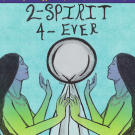
7-8.1.8.G, 7-8.2.2.G, 7-8.4.4.G, 6.2.1.M, 7-8.1.6.M, 7-8.2.3.M, 7-8.2.4.PThis lesson analyzes coming-of-age and cultural influences on beliefs about puberty, adolescence and menstruation. By exploring Native American cultural beliefs about coming-of-age including women’s coming-of-age ceremonies students analyze diverse perspectives on health, puberty, and the changing roles and responsibilities of adolescents in their communities.
Creating and Writing Land Acknowledgements
RI.8.4, RI.8.5, W.8.8, HSS 8.8This lesson asks students to critically analyze and engage with Land Acknowledgements by understanding their connection to ongoing movements for land return and challenging terminologies of western expansion like manifest destiny and “Firsting and Lasting.” Students will explore best practices for writing a land acknowledgement and critical understanding of how word choice and engagement with tribal voices can clarify the role of land acknowledgments personally/ at work/ and with government or other institutions (like school). Students will be asked to interpret words and phrases used in a text including technical, connotative, and figurative meanings and analyze the specific word choice, style, tone, and format used. They will also be asked to compose their own land acknowledgement.
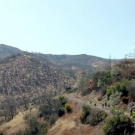
Nome Cult Walk
HSS 8.8, W.8.1, W.8.4, RI.8.1, RI.8.2, SL.8.1, RH.6-8.2This lesson introduces students to the removal and relocation of California Natives in the 1800’s. Focusing on primary and secondary sources students will discover the background of California’s Trial of Tears, the Nome Cult Walk. Students will read a newspaper article and Forest Service flier, watch a video on the Walk, and listen to four interviews of individual Native people who participate in the commemorative Nome Cult Walk. Students will take notes as they read, listen, and watch and these notes will be used in a final assessment, as students write a short essay on their understanding of the historical circumstance Nome Cult Walk.