Grade 8

Creating and Writing Land Acknowledgements

Creating and Writing Land Acknowledgements

RI.8.4, RI.8.5, W.8.8, HSS 8.8

This lesson asks students to critically analyze and engage with Land Acknowledgements by understanding their connection to ongoing movements for land return and challenging terminologies of western expansion like manifest destiny and “Firsting and Lasting.” Students will explore best practices for writing a land acknowledgement and critical understanding of how word choice and engagement with tribal voices can clarify the role of land acknowledgments personally/ at work/ and with government or other institutions (like school). Students will be asked to interpret words and phrases used in a text including technical, connotative, and figurative meanings and analyze the specific word choice, style, tone, and format used. They will also be asked to compose their own land acknowledgement.
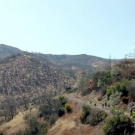
© Cheryl Tuttle

Nome Cult Walk

HSS 8.8, W.8.1, W.8.4, RI.8.1, RI.8.2, SL.8.1, RH.6-8.2

This lesson introduces students to the removal and relocation of California Natives in the 1800’s. Focusing on primary and secondary sources students will discover the background of California’s Trial of Tears, the Nome Cult Walk. Students will read a newspaper article and Forest Service flier, watch a video on the Walk, and listen to four interviews of individual Native people who participate in the commemorative Nome Cult Walk. Students will take notes as they read, listen, and watch and these notes will be used in a final assessment, as students write a short essay on their understanding of the historical circumstance Nome Cult Walk.

Haudenosaunee Seal Public Domain

Haudenosaunee Impact on the US Constitution

HSS 8.2, W.8.2, W.8.4, W.8.6, W.8.8

This lesson on the Haudenosaunee Confederacy offers students a powerful opportunity to explore the roots of American democracy through the lens of Indigenous governance. Centered on the Great Law of Peace and the political structure of the Haudenosaunee Confederacy, the lesson emphasizes how Native ideas of unity, consensus, and leadership directly influenced the formation of the U.S. Constitution.

Text - "2-Spirit 4-Ever" with two long-hair people facing one another/

Two Spirit: Understanding and Celebrating Identities

Connecting—Anchor Standard 11, 1.VA:RE7.1, 5.VA:RE7.1, 6.VA:RE7.1, 8.VA:RE7.1, W.8.2, W.8.4, W.8.6, W.8.7, W.8.8, RI.8.1, RI.8.2, RI.8.4, RI.8.6, SL.8.2, WL.CL2.N: Cultural Products, Practices, and Perspectives, WL.CL4.A: Intercultural Influences, 7-8.1.8.G, 7-8.2.2.G, 7-8.4.4.G

This four-lesson unit offers middle school students an opportunity to explore the rich history and cultural significance of Two-Spirit identities within Indigenous communities. Students will begin by understanding the distinctions between gender, sex, and sexuality, setting the foundation for a deeper exploration of Two-Spirit identities. Lessons describe the history of Two-Spirit people, highlighting their roles and traditions within Native American and Indigenous cultures, and differentiating these identities from Western LGBTQIA+ concepts.

A parade in Greenville. Dugan Aguilar. Courtesy of Oakland Museum of California

Tribal Governments: Sovereignty, Treaties and Constitutions

HSS 8.2, HSS 8.3, HSS 8.4, RI.8.1, RI.8.2

This unit on tribal sovereignty and government introduces students to foundational concepts of Native American self-governance, treaties, federal recognition and tribal constitutions. Students will learn how tribal sovereignty is an inherent right of Native American tribes to govern their lands, manage resources, and uphold their communities. The unit explores the unique relationship Tribes have with the United States government through the creation of treaties.

Broken Heart by Bob Whipple (Yuki/Wailaki) © Cheryl Tuttle

Against Their Will: The Systematic Servitude of California Indians

HSS 8.8, W.8.2, W.8.4, RI.8.1, RI.8.2, SL.8.1

This powerful lesson invites 8th grade students to explore a critical yet often overlooked chapter in California’s history, the systematic servitude and exploitation of California Indian peoples. Through historical readings, primary source links, and thought-provoking discussions, students will uncover how Indigenous Californians were forcibly used as the primary labor force under Spanish and Mexican colonization, and how this forced servitude tragically continued even after California became a state. Students will examine the Act for the Government and Protection of Indians, which legally sanctioned the continuation of Indigenous servitude and contributed to government-backed campaigns of violence and extermination.

Native Foods Unit

Family Recipe

In this lesson, students compare the nutritional qualities of Indigenous and introduced foods, interview a trusted adult about food traditions, and adapt a family recipe to include local Indigenous ingredients. Through these activities, students will deepen their understanding of nutrition, cultural connections to food, and the importance of incorporating healthy, whole foods into their diets.

Native Foods Unit

Native Food Experiences

In this lesson, students will examine Pomo perspectives on traditional Indigenous foods and settler-introduced foods.They will explore cultural norms surrounding food, reflect on the relationship between the environment, food, and community, and consider how food experiences shape identity and culture.

Native Foods Unit

My Native Plate

In this lesson, students learn about their nutritional needs and practice designing healthy meals using Native foods. Students will reflect on the origins of their food, understand the impacts of processed versus Indigenous foods, and explore the importance of diversity in their diets to support personal health and ecosystems.

Native Foods Unit

Native Foods for Today’s World

This lesson introduces students to traditional Native foods of California, exploring their health benefits, cultural significance, and connection to food sovereignty. Students will examine how food practices have evolved due to historical changes and learn how Native communities are revitalizing traditional foodways to promote health, sustainability, and cultural pride.