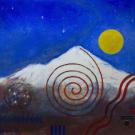
We Are Still Here, Fix the World People Unit
7.VA:CN11, 7.VA:CR2.3, 7.VA:RE7.2, 7.VA:RE8, 1.VA:RE7.1, 5.VA:RE7.1, 6.VA:RE7.1, 8.VA:RE7.1, PROF.VA:RE7.1, RI.7.7, W.7.1, SL.7.1, SL.7.2This six-lesson unit explores the intersection of art, language, culture, and Indigenous resilience through the work of Lyn Risling, a Karuk, Hupa, and Yurok artist from Northwestern California. Centered on Risling’s painting We Are Still Here, Fix the World People, students examine how Indigenous art can communicate cultural identity, community strength, connection to place, and resilience in the face of colonization. The unit begins with students closely examining Risling’s artwork using a “Notice, Wonder, Feel” strategy to explore symbolism and consider how animals, plants, family, and the river represent cultural relationships and continuity. Students then learn more about Risling’s life and artistic practice, connecting her work to the histories, traditions, and contemporary experiences of Indigenous communities in Northwestern California. The third lesson provides historical context by examining the impacts of colonization, including the Gold Rush, timber industry, indentured servitude, and boarding schools. Through multimedia resources and guided discussion, students consider the effects of violence, displacement, and cultural disruption and explore the lasting impacts of these histories on Indigenous communities. The unit then shifts toward language revitalization and cultural healing. Students learn about the importance of the Karuk language and hear Karuk linguist, artist, and ceremonial leader Julian Lang interpret Risling’s artwork through the language. Students build on this experience by learning Karuk words and phrases connected to elements of the painting through audio recordings and interactive activities, deepening their understanding of the relationship between language, culture, place, and worldview. The unit concludes with students creating their own artwork inspired by Risling’s painting. Students incorporate symbols connected to their own identities, families, communities, and experiences and develop an artist statement explaining their choices. Throughout the unit, students come to understand how art and language can serve as powerful tools for cultural preservation, healing, resistance to cultural erasure, and the continuation of Indigenous knowledge and identity.