Native American Studies
Native Poetry, Art and Film: Voices of Northern and Southern California
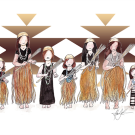
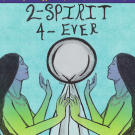
RL.11-12.7, W.9-10.6, W.11-12.6, ELD.PI.9-10.2.Br, ACC.VA:RE8This unit introduces students to several Native cultures of the far northern and southern regions of California. Varied cultural expressions and life experiences are explored through poetry, reflective essay, art and film. These works illustrate: Native people’s connections to their environment and the world; the significance of ceremony and “home”; trauma, healing and hope for the future. The complexity of identity, Indigenous methods of land stewardship and the ongoing crisis of Missing and Murdered Indigenous Women are also addressed in multiple pieces. The teacher allows students to explore how these themes function throughout multiple works. Each work will be experienced to allow space for the expression of thoughts, feelings, and multiple interpretations. Students will closely examine the ways writers use structure, imagery, tone and cultural views to shape their work. As a culminating project, students will write poetry, a reflective essay, or create a visual art piece to express something culturally relevant to their experience. Technology, found objects and/or art supplies will assist the students in producing their work.
The California Gold Rush: A Deeper Look at Its Costs Unit
This unit examines the California Gold Rush and its lasting significance in U.S. history, with a focus on its environmental and cultural impact on California Native American communities. Students will analyze the consequences of westward expansion, including the exploitation of natural resources and the widespread displacement of California Native peoples. Through critical inquiry, the unit encourages students to understand the broader consequences of the Gold Rush and reflect on its role in shaping California’s past and present.
Project-Based Learning on Land Acknowledgments
Students will design and complete a project that reflects their learning about land, Indigenous presence, and community responsibility. Students will present their work to an audience, demonstrating respectful engagement, informed research, and a commitment to ongoing learning and allyship.
Moving Beyond Land Acknowledgments
Students will critically evaluate the limitations of land acknowledgments when not paired with action or accountability. Students will explore tangible ways to support Indigenous communities and advocate for justice beyond symbolic statements.
Collaborating with Local Tribal Communities
Students will learn and apply respectful communication protocols when engaging with local California tribal communities. Students will incorporate Indigenous voices, perspectives, and feedback into their understanding and representation of local histories and cultures.