Rick Bartow: Wiyot Storyteller in Art & Music
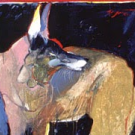
8.VA:CR2.1, L.8.4, L.8.5, L.8.6In this 1.5 week long multimedia unit, students will learn about the Wiyot people through Baduwa’t Wiyot, Rick Bartow’s (1946-2016) family’s story. This unit personifies the tribe’s struggles and triumphs. Through Bartow’s story, students will learn how Wiyot people strengthened their culture and reclaimed ancestral homelands a century after their villages were displaced by settlers, who murdered their ancestors for their land and resources. Students will learn that Indigenous people have contemporary living cultures and practice art, language, and ceremony in both traditional and contemporary styles. Students will learn how Bartow utilized music to express emotion and feelings in the name of beauty and tragedy as a coping mechanism for historical trauma and personal trauma. (Bartow was a VietNam vet with PTSD who overcame substance abuse.) Students will learn how metaphors express meaning; imagery communicates emotion and story; and poetry and song provide what many Indigenous peoples call “good medicine” to help heal.