

Grade 5
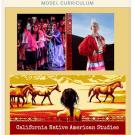

Land Acknowledgment Toolkit
Toolkit developed by CA Indian Culture & Sovereignty Center and CSU San Marcos American Indian Studies. The purpose of the toolkit is to encourage all academic staff, students, administrators to acknowledge the original nations on whose land we live, learn, and work.
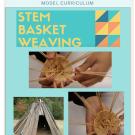
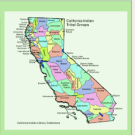
Maidu Bear Dances
3-LS2-1, 4-ESS3-1, 5-ESS3-1The lesson centers California Native American perspectives, with a focus on the Maidu tribe, highlighting the ways Indigenous knowledge and ceremonies honor the natural world and guide responsible stewardship. In this lesson, students will explore the cultural significance of the Maidu Bear Dance and its deep connection to nature. Through learning about the Maidu People's respectful relationship with the land and animals, students will gain insight into how traditional cultural practices support environmental sustainability and conservation.
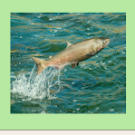
New Conversations about Grizzlies
3-LS4-3, 3-LS4-4, 4-ESS3-1, 5-ESS3-1, 5-PS3-1The lesson highlights the importance of grizzly bear conservation while centering California Native American perspectives, including insights from the Gabrieleno/Tongva tribe, to deepen understanding of Indigenous relationships with the land and wildlife stewardship. In this lesson, students will investigate the ecological role of grizzly bears and how human activity has affected their habitats and survival.
Respect, Reciprocity, and Reverence
3-ESS3-1, 4-ESS3-1, 5-ESS3-1, 3-LS4-4, 4-LS1-1, 5-PS3-1Through learning from California Native American perspectives, including voices from the Gabrieleno/Tongva tribe, students will explore how these values guide environmental stewardship and cultural practices. This lesson introduces students to core values within Indigenous knowledge systems, respect, reciprocity, and reverence, and their role in fostering sustainable relationships with the environment. The lesson encourages reflection on personal and collective responsibilities to the land and invites students to identify meaningful ways to honor and care for their local environment through everyday actions.

Setting the Foundation for Grizzlies to Return
3-LS4-4, 4-ESS3-1, 5-ESS3-1In this lesson, students will explore the importance of habitat restoration and conservation through the lens of grizzly bear recovery efforts. The lesson centers Indigenous knowledge, featuring perspectives from California Native communities, including members of the Gabrieleno/Tongva tribe, to highlight traditional ecological understandings and relationships with wildlife.
Imagining the Native American Native California Artists Judith Lowry
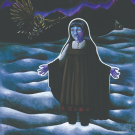
In this lesson, students will learn about Judith Lowry, a Native American artist whose work powerfully reflects her cultural heritage and important moments in Native history. We will begin by reading a short biography to understand her life story, including how her mixed background and experiences have influenced her art. Then, students will explore several of Lowry’s vibrant paintings, using them as a window into Native perspectives and stories that are often overlooked or misunderstood. Through guided discussion and observation, students will discover how Lowry uses her art to challenge stereotypes, celebrate Native identity, and bring attention to the challenges Native communities face today. This lesson aims to help students appreciate art as a form of storytelling and social activism, while inspiring them with the creative strength and resilience of Judith Lowry and other Native artists.

Imagining the Native American Native California Artists Harry Fonseca (Nisenan Maidu)
HSS 5.8, HSS 5.8.6, HSS 8.8, HSS 8.8.2, Connecting—Anchor Standard 11, 1.VA:RE7.1, 5.VA:RE7.1, 6.VA:RE7.1, 8.VA:RE7.1, PROF.VA:RE7.1In this lesson, students will explore the life and artwork of Harry Fonseca, a celebrated Native California artist of Nisenan Maidu, Hawaiian, and Portuguese ancestry and a citizen of the Shingle Springs Band of Miwok Indians. Fonseca used his art to express identity, honor Native traditions, and respond to historical events like the California Gold Rush. Through vibrant paintings, symbolic imagery, and recurring figures like the trickster Coyote, Fonseca’s work invites students to think deeply about storytelling, cultural resilience, and how art can be both personal and political.