Grade 7
Traditional Ecological Knowledge
This lesson introduces the concept of Traditional Ecological Knowledge. Students will be shown examples of Yurok TEK and will be introduced to gathering policies. Students will evaluate maps as they relate to reservation land versus public land use. This lesson is designed for middle school students and includes supports for multilingual learners at the Bridging proficiency level.
Lesson 3: Yurok Country - Since Time Immemorial
In this lesson, students will review the importance of the Chah-pekw O’ Ket’-toh Stone Lagoon Visitor Center and Sue-Meg State Park. Students will be introduced to the California State Park Reexamining Our Past Initiative. Using different California State Park websites, students will analyze how the parks can be updated to reflect their Indigenous history.
Yurok Country - Since Time Immemorial
This lesson addresses a brief history of Yurok and other Indigenous People in Humboldt County in relation to early exploration efforts and the change that was brought about from the fur trade and gold rush. This lesson also includes the brief history and importance of the Chah-pekw O’ Ket’-toh Stone Lagoon Visitor Center and Sue-Meg State Park. This lesson is designed for middle school students and includes supports for multilingual learners at the Bridging proficiency level.
Yurok Land and the California State Parks
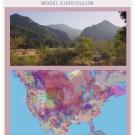
RI.6.7, WHST.6-8.7, HSS 8.8.2, WL.CM1.N: Interpretive CommunicationThis middle school unit offers teachers a meaningful and engaging opportunity to bring California’s Indigenous history and contemporary partnerships into the classroom through the lens of the Yurok Tribe’s work with California State Parks. Through four thoughtfully designed lessons, students will explore the ancestral and present-day relationship between the Yurok people and the lands now known as Sue-Meg State Park and the Chah-pekw O’ Ket’-toh Visitor Center in Humboldt County. The unit highlights themes of land stewardship, cultural preservation, Yurok language integration, and historical reexamination, and introduces students to the significance of Traditional Ecological Knowledge (TEK) in caring for the land.

Puberty, Adolescence, Menstruation & Coming-of-Age Ceremonies in Native American Cultures
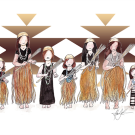
7-8.1.8.G, 7-8.2.2.G, 7-8.4.4.G, 6.2.1.M, 7-8.1.6.M, 7-8.2.3.M, 7-8.2.4.PThis lesson analyzes coming-of-age and cultural influences on beliefs about puberty, adolescence and menstruation. By exploring Native American cultural beliefs about coming-of-age including women’s coming-of-age ceremonies students analyze diverse perspectives on health, puberty, and the changing roles and responsibilities of adolescents in their communities.
Two Spirit: Understanding and Celebrating Identities
Connecting—Anchor Standard 11, 1.VA:RE7.1, 5.VA:RE7.1, 6.VA:RE7.1, 8.VA:RE7.1, W.8.2, W.8.4, W.8.6, W.8.7, W.8.8, RI.8.1, RI.8.2, RI.8.4, RI.8.6, SL.8.2, WL.CL2.N: Cultural Products, Practices, and Perspectives, WL.CL4.A: Intercultural Influences, 7-8.1.8.G, 7-8.2.2.G, 7-8.4.4.GThis four-lesson unit offers middle school students an opportunity to explore the rich history and cultural significance of Two-Spirit identities within Indigenous communities. Students will begin by understanding the distinctions between gender, sex, and sexuality, setting the foundation for a deeper exploration of Two-Spirit identities. Lessons describe the history of Two-Spirit people, highlighting their roles and traditions within Native American and Indigenous cultures, and differentiating these identities from Western LGBTQIA+ concepts.
We are Still Here: Expression of Self - Art Inspired by Lyn Risling
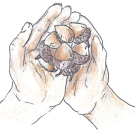
7.VA:CN11, 7.VA:RE7.1, 7.VA:RE7.2, 7.VA:RE8, RI.7.7, W.7.1, SL.7.1, SL.7.2In this final lesson of the art and Karuk language integrated unit, students will have the opportunity to create original artwork inspired by Lyn Risling’s painting We Are Still Here, Fix the World People. The lesson focuses on the use of symbolism in Indigenous art, encouraging students to integrate their personal, cultural, or ancestral expressions into their own creations. To begin, the teacher will revisit the subjects and symbols in Lyn Risling’s painting, such as the river, animals, plants, and ceremonial items, explaining their cultural significance. For example, the river represents life and the health of the people, animals can symbolize spiritual connections to fix the world ceremonies, and plants like acorns are essential traditional food.