Grade 7

We Are Still Here, Fix the World People © Lyn Risling

We are Still Here: Ararachúupha Nuu Payêem Nuchúuphitih - We Are Talking Our Indian Language Now

7.VA:CN11, 7.VA:RE7.1, 7.VA:RE7.2, 7.VA:RE8

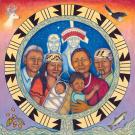
To deepen students' understanding of Karuk culture and language revitalization, this lesson will provide a first-hand experience to learn Karuk language using Lyn Risling’s painting We Are Still Here, Fix the World People. As stated in previous lessons in this Unit, this painting features a multigenerational family encircled by symbols such as a white deer, an eagle, acorns, and a salmon, conveying powerful themes of resilience, survival, and cultural identity. The vibrant imagery reflects the deep connection between the Karuk, Hupa, and Yurok peoples and their land, ancestors, and traditions, particularly in the face of colonization in the 1860s.

We Are Still Here, Fix the World People © Lyn Risling

We are Still Here: Resilience and Healing

7.VA:CN11, 7.VA:RE7.1, 7.VA:RE7.2, 7.VA:RE8, RI.7.7, W.7.1, SL.7.1, SL.7.2

This lesson explores the significance of language revitalization in Indigenous communities, featuring the Karuk Language of northwestern California. Inspired by Lyn Risling’s painting “We Are Still Here, Fix the World People”, students will explore themes of resilience, survival, and cultural identity. Julian Lang, Karuk Linguist, describes the painting in the Karuk language providing students an experience to better understand how language serves as a critical tool for preserving culture and world view. This lesson emphasizes that language, once nearly lost due to violent colonization, was kept and has continued to be the focus for revitalization by the Karuk people as a pathway to healing and cultural reclamation. Students will gain an appreciation for the power of language in maintaining connections to heritage and+ the importance of supporting language preservation efforts. Ultimately, this lesson fosters an understanding of how language revitalization is not just about communication, but about reclaiming identity, community resilience, and promoting healing from the historical trauma of assimilation and systematic cultural erasure.

We Are Still Here, Fix the World People © Lyn Risling

We are Still Here: History and Survival

RI.7.7, W.7.1, SL.7.1

In this third lesson of the “We Are Still Here, Fix the World People” Unit, students will explore the colonial impacts of genocide on Indigenous peoples of Northwest California, focusing on the events surrounding the Gold Rush, the timber industry, indentured servitude and boarding schools. The central resource for this lesson will be the United Indian Health Services video, "History and Hope", which provides a powerful narrative of the suffering of Indigenous communities during this tumultuous period. Through this video, students will learn about the violence and displacement Indigenous peoples faced during the Gold Rush, where settler colonialism, greed for resources, and racial ideologies led to devastating consequences.

We Are Still Here, Fix the World People © Lyn Risling

We are Still Here: Notice Wonder Feel

7.VA:CN11, 7.VA:RE7.1, RI.7.7, W.7.1, SL.7.1

In this lesson, students will engage with the artwork "We Are Still Here, Fix the World People" by Lyn Risling, an artist from the Karuk, Hupa, and Yurok peoples of northwestern California. The painting reflects the strong connection these Indigenous communities have with the land, culture, and their ancestors, showcasing themes of resilience, survival, and cultural identity after colonization in the 1860s.

Native Foods Unit

Family Recipe

In this lesson, students compare the nutritional qualities of Indigenous and introduced foods, interview a trusted adult about food traditions, and adapt a family recipe to include local Indigenous ingredients. Through these activities, students will deepen their understanding of nutrition, cultural connections to food, and the importance of incorporating healthy, whole foods into their diets.

Native Foods Unit

Native Food Experiences

In this lesson, students will examine Pomo perspectives on traditional Indigenous foods and settler-introduced foods.They will explore cultural norms surrounding food, reflect on the relationship between the environment, food, and community, and consider how food experiences shape identity and culture.

Native Foods Unit

My Native Plate

In this lesson, students learn about their nutritional needs and practice designing healthy meals using Native foods. Students will reflect on the origins of their food, understand the impacts of processed versus Indigenous foods, and explore the importance of diversity in their diets to support personal health and ecosystems.

Native Foods Unit

Native Foods for Today’s World

This lesson introduces students to traditional Native foods of California, exploring their health benefits, cultural significance, and connection to food sovereignty. Students will examine how food practices have evolved due to historical changes and learn how Native communities are revitalizing traditional foodways to promote health, sustainability, and cultural pride.

Native Foods Unit

Traditional Ecological Knowledge Case Study: Fire

This lesson explores the role of fire in maintaining healthy ecosystems through the lens of Traditional Ecological Knowledge (TEK). Students will examine the cultural, ecological, and practical significance of controlled burning as practiced by Native communities, apply these principles to scenarios, and analyze the impact of fire on biodiversity and food webs.