


sample

Native American Studies

Native Foods Unit

Native Foods for Today’s World

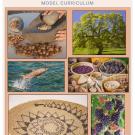
This lesson introduces students to traditional Native foods of California, exploring their health benefits, cultural significance, and connection to food sovereignty. Students will examine how food practices have evolved due to historical changes and learn how Native communities are revitalizing traditional foodways to promote health, sustainability, and cultural pride.
Native Foods Unit

Traditional Ecological Knowledge Case Study: Fire

This lesson explores the role of fire in maintaining healthy ecosystems through the lens of Traditional Ecological Knowledge (TEK). Students will examine the cultural, ecological, and practical significance of controlled burning as practiced by Native communities, apply these principles to scenarios, and analyze the impact of fire on biodiversity and food webs.

Native Foods Unit

Introduction to Oak Woodlands Ecosystem

This lesson introduces students to the Oak Woodlands ecosystem, an area of cultural and ecological significance for the Pomo people. Students will learn about key species, their roles within the ecosystem, and their importance to Native traditions. Additionally, students will explore the connections between culture, ecosystems, and sustainability through vocabulary activities and food chain exploration.

Native Foods Unit

Pomo Stories: Healthy Ecosystems Feed Healthy Communities

In this lesson, students will explore a Pomo story to understand the importance of oral tradition in teaching lessons about community, respect, and connection to the environment. Through reading and analysis, students will gain insight into Native perspectives on interdependence and stewardship of ecosystems.

Native Maker STEM Unit

Acorns - The Importance of Native Diets

Students will learn about how acorns are an important part of the diet of California Indian Tribes. Students will learn about the importance of Native diets to familiarize oneself with the traditional and contemporary way of acorn process.

Native Maker STEM Unit

Redwood Bark House

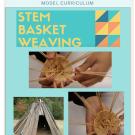
Students will learn about the diversity of housing among California tribes and the traditional and ecological knowledge tribes have and are using in designing these structures. Students will use geometric and ecological lessons to create a model of a redwood bark house. This activity supports learning geometry and environmentalism concerning California tribal structures.

Food Sovereignty Unit

Revitalizing Food Sovereignty

HSS 8.12.7, HE Grade 7 and 8 : Interpersonal Communication, HE Grade 7 and 8 : Essential Concepts, WHST.6-8.7, WHST.6-8.8

This lesson examines the modern efforts of Native communities to restore food sovereignty and traditional ecological practices. Students will analyze case studies of partnerships with local agencies and learn how these initiatives address environmental challenges and cultural revitalization. By designing an advocacy campaign, students will actively engage with the concept of food sovereignty and reflect on its role in creating sustainable, culturally rich communities.

Food Sovereignty Unit

Traditional Plant Knowledge

MS-LS1-5, MS-LS2-5, 6.VA:CR2.1, W.6.7

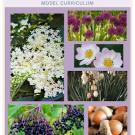
Students will delve into the traditional knowledge of California Native plants, learning about their uses in food, medicine, and cultural practices. Through research and the creation of a field guide page, students will investigate the ecological roles and cultural significance of a specific plant. This lesson emphasizes the importance of preserving traditional plant knowledge for ecosystem health and cultural continuity.