Combodian_homepage

Cambodian American Studies

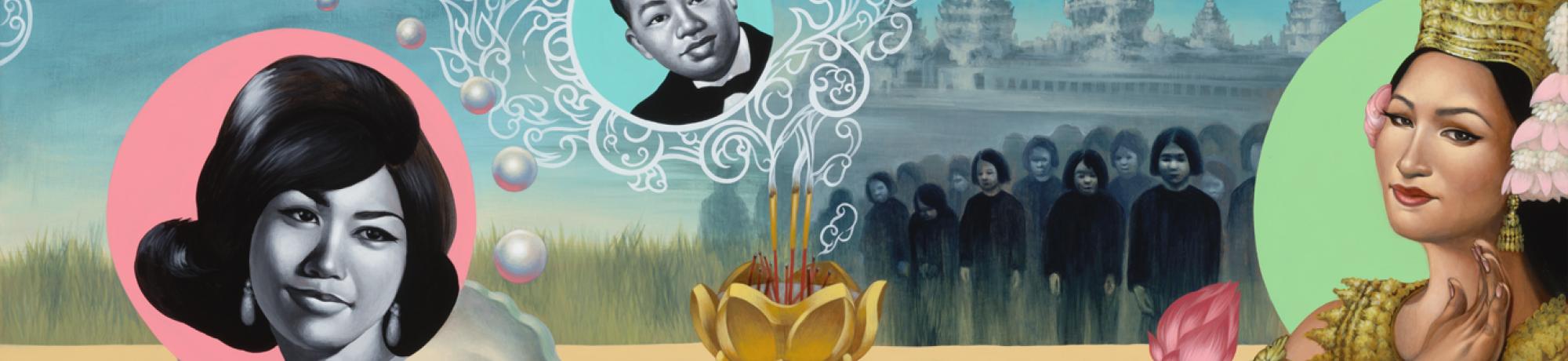
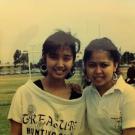
Janet Vanniroth with her close friend, Sarah Wu, in the school football field, Artesia, CA 1987. They have been friends since junior high school.

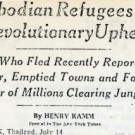
Picturing the Khmer Refugee Family

HSS 11.11.7, W.11-12.9, RL.11-12.1

Students will consider and analyze the aftermath of the Cambodian displacement and immigration experience. Students will analyze photographs as well as poetry on the experiences of Cambodian refugees with focus on initial challenges as well as long term effects.

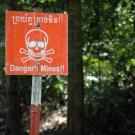
A photo of land development near Phnom Penh

Perseverance in Fighting Continued Displacement in Cambodia

W.9-10.8, RI.9-10.7, HSS 10.10

After students learn about the Cambodian Genocide and how it was carried out, students will now learn about the strength and perseverance of the Cambodian people’s fight against continued displacement. Students will explore Cambodian displacement in Boeung Kak Lake, its connection to human rights violations, and the agency and resistance of the Cambodian people to fight displacement.

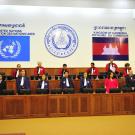
Extraordinary chambers in the Courts of Cambodia - Initial hearing case 002

Extraordinary Chambers in the Courts of Cambodia

W.9-10.8, RI.9-10.4, HSS 10.9.8

Through learning about attempts at bringing justice to those responsible for the Cambodian Genocide, students will learn about judicial systems and their ability to help prevent further crimes against humanity and hold people accountable for committing crimes against humanity. Students will determine the effectiveness of the ECCC in bringing about justice.

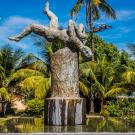
Arn Chorn-Pond at his farm land 2002-06

Music, Memory, and Power in the Life of Arn Chorn-Pond

Students will learn about the history and impact of the Cambodian genocide in general, and the experiences of musician, activist, and survivor Arn Chorn-Pond in particular. In doing so, they will consider how musical activities (including performing and listening) can aid in processes of remembrance and healing.