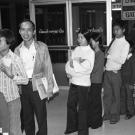
Becoming a Refugee (1975-1992)
HSS 11.9.3, RI.11-12.7, W.11-12.3Students will complete a flow map that outlines the process of Hmong becoming refugees, and their experiences towards becoming American citizens.


Students will complete a flow map that outlines the process of Hmong becoming refugees, and their experiences towards becoming American citizens.
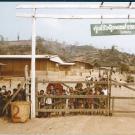
Students will develop a deep understanding of life in the refugee camps by examining primary source documents, images, and interviews. Students will be able to identify how Hmong socially and economically created a camp culture of hope and resilience that allowed them to cope with the poor human conditions of the camp, the traumas of war, and separation through group discussions and share outs.
The primary objective of this lesson is to shed light on the challenges HMoob families face as they journey to Thailand while highlighting the variations in their migration patterns. Through this teaching, students will comprehend the disparities between migration accounts found in narratives and those derived from personal experiences of their own families or relatives.
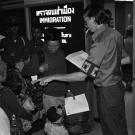
Students will get an overview of the refugee policies that impacted refugees rights and status. Students will generate an inquiry to discuss the issues around the US Refugee Resettlement Programs and its impact on migration and settlement patterns to the United States and other parts of the world.
The lesson focuses on how Hmong women have helped shape history, but are not recognized in history lessons, stories, and documentaries. Students will analyze the important roles women played in history, home life, as well as in the war.
Students will learn from first-hand accounts of the chemical warfare that occurred after the Secret War and how it impacted Hmong people. Students will have the opportunity to weigh in and decide for themselves whether the struggles the Hmong people faced can be considered a genocide.
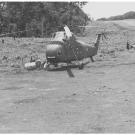
After students learn about what the Cold War is and how it was carried out in Southeast Asia through the Vietnam War, students will analyze the Secret War that took place in Laos, the role that Hmong played, and the impact it had on Hmong people.
Through analyzing primary sources and historical documents, students will learn about the ‘Secret War’ in Laos in which Laotian civilians and the Royal Lao Army special forces, known as the ‘Special Guerrilla Units,’ supported the American covert war efforts in Laos. Students will share their viewpoints about secret bombings and US’s involvement in collaborative activities and a Four Corner Discussion.
This lesson is the last of four on Hmong Family Practices and Values. This lesson explores Hmong beliefs about death and reincarnation through an examination of ceremonial practices and oral traditions. Students will gain an understanding of the connections between birth, marriage, and funerals.
Students will learn about the societal and cultural factors that shape people’s lives and make them who they are. Drawing on the experiences of Hmong girls, students will be able to critique and evaluate the ways inequities are upheld by society and cultural norms and make connections to their own lives.