

Grade 6
Acorns - The Importance of Native Diets
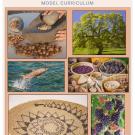
Students will learn about how acorns are an important part of the diet of California Indian Tribes. Students will learn about the importance of Native diets to familiarize oneself with the traditional and contemporary way of acorn process.
Redwood Bark House
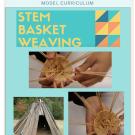
Students will learn about the diversity of housing among California tribes and the traditional and ecological knowledge tribes have and are using in designing these structures. Students will use geometric and ecological lessons to create a model of a redwood bark house. This activity supports learning geometry and environmentalism concerning California tribal structures.
Revitalizing Food Sovereignty
HSS 8.12.7, HE Grade 7 and 8 : Interpersonal Communication, HE Grade 7 and 8 : Essential Concepts, WHST.6-8.7, WHST.6-8.8This lesson examines the modern efforts of Native communities to restore food sovereignty and traditional ecological practices. Students will analyze case studies of partnerships with local agencies and learn how these initiatives address environmental challenges and cultural revitalization. By designing an advocacy campaign, students will actively engage with the concept of food sovereignty and reflect on its role in creating sustainable, culturally rich communities.
Traditional Plant Knowledge
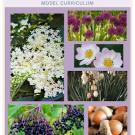
MS-LS1-5, MS-LS2-5, 6.VA:CR2.1, W.6.7Students will delve into the traditional knowledge of California Native plants, learning about their uses in food, medicine, and cultural practices. Through research and the creation of a field guide page, students will investigate the ecological roles and cultural significance of a specific plant. This lesson emphasizes the importance of preserving traditional plant knowledge for ecosystem health and cultural continuity.
The Role of Harvest Days
HSS 6.2.9, HE Grade 4: Practicing Health-Enhancing Behaviors, HE Grade 5: Decision Making, SL.6.1, SL.6.5This lesson examines the modern efforts of Native communities to restore food sovereignty and traditional ecological practices. Students will analyze case studies of partnerships with local agencies and learn how these initiatives address environmental challenges and cultural revitalization. By designing an advocacy campaign, students will actively engage with the concept of food sovereignty and reflect on its role in creating sustainable, culturally rich communities. This lesson explores the seasonal Harvest Days celebrated by California Native communities, focusing on their cultural and ecological significance. Students will learn about traditional foods, their harvesting methods, and the ways these practices strengthen community ties. By creating a poster for a specific Harvest Day celebration, students will connect traditional food practices to the broader concepts of food sovereignty and environmental stewardship.
Traditional and Modern Food Systems
HE Grade 1: Practicing Health-Enhancing Behaviors, HE Grade 7 and 8 : Decision Making, MS-LS2-2, W.6.2, W.6.4Students will compare traditional California Native diets with modern processed food diets, examining their nutritional and cultural differences. Using the "California Native Plate" as a framework, students will design balanced meals with traditional foods, learning how these ingredients support health and cultural heritage. This lesson highlights the impacts of colonization on Native diets and emphasizes the importance of returning to traditional, nutrient-rich food systems.
Introduction to Food Sovereignty
HSS 6.2.1, HSS 8.12.3, HE Grade 1: Practicing Health-Enhancing Behaviors, HE Grade 1: Accessing Valid Health Information, RH.6-8.2, WHST.6-8.1This lesson introduces students to the concept of food sovereignty and its importance to California Native communities. Students will explore how historical events disrupted traditional foodways and analyze the challenges Native communities face in regaining control over their food systems. Through reading, discussion, and a Venn diagram activity, students will develop an understanding of the cultural and ecological significance of food sovereignty and reflect on its role in improving health and preserving traditions. Students will understand the concept of food sovereignty and its importance to California Indian communities.

Healthy Rivers, Healthy People
This dynamic lesson will inspire students to think deeply about the crucial role rivers play in both the environment and Indigenous cultures. Focusing on the Klamath River and the Yurok and Karuk Tribes, this lesson offers a comprehensive exploration of river ecosystems, highlighting the importance of healthy watersheds for thriving wildlife and communities. Students will learn the science behind river systems and biodiversity but also gain an understanding of how Native peoples have lived in balance with these rivers since time immemorial, passing down traditional ecological knowledge for generations. This lesson blends interactive learning and real-world connections. Students will dive into the Klamath River’s story, exploring both the challenges it faces and the incredible restoration efforts underway, including the groundbreaking Klamath Dam removal project. They'll have the opportunity to analyze visuals, watch thought-provoking videos, and engage in lively discussions about how tribal communities are working to restore their rivers and protect their way of life. The lesson is designed to be both informative and empowering, giving students the tools to understand the importance of taking care of the rivers that sustain us all. With an interactive “Protect Your Waterway” activity, students will engage in a hands-on project that connects them to real-world water conservation efforts. By the end, they'll not only appreciate the value of a healthy river system but also be motivated to take action in preserving and protecting water resources. This lesson provides a powerful opportunity for students to explore the intersection of science, culture, and environmental stewardship, leaving them with a sense of responsibility and a deeper appreciation for the rivers that shape our world.