

Grade 6

“Light Up the Darkness, Yurok Territory” © Louisa McCovey

Yurok Country - Since Time Immemorial

This lesson addresses a brief history of Yurok and other Indigenous People in Humboldt County in relation to early exploration efforts and the change that was brought about from the fur trade and gold rush. This lesson also includes the brief history and importance of the Chah-pekw O’ Ket’-toh Stone Lagoon Visitor Center and Sue-Meg State Park. This lesson is designed for middle school students and includes supports for multilingual learners at the Bridging proficiency level.
“Light Up the Darkness, Yurok Territory” © Louisa McCovey

Yurok Land and the California State Parks

RI.6.7, WHST.6-8.7, HSS 8.8.2, WL.CM1.N: Interpretive Communication

This middle school unit offers teachers a meaningful and engaging opportunity to bring California’s Indigenous history and contemporary partnerships into the classroom through the lens of the Yurok Tribe’s work with California State Parks. Through four thoughtfully designed lessons, students will explore the ancestral and present-day relationship between the Yurok people and the lands now known as Sue-Meg State Park and the Chah-pekw O’ Ket’-toh Visitor Center in Humboldt County. The unit highlights themes of land stewardship, cultural preservation, Yurok language integration, and historical reexamination, and introduces students to the significance of Traditional Ecological Knowledge (TEK) in caring for the land.

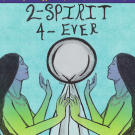
Text - "2-Spirit 4-Ever" with two long-hair people facing one another/

Two Spirit: Understanding and Celebrating Identities

Connecting—Anchor Standard 11, 1.VA:RE7.1, 5.VA:RE7.1, 6.VA:RE7.1, 8.VA:RE7.1, W.8.2, W.8.4, W.8.6, W.8.7, W.8.8, RI.8.1, RI.8.2, RI.8.4, RI.8.6, SL.8.2, WL.CL2.N: Cultural Products, Practices, and Perspectives, WL.CL4.A: Intercultural Influences, 7-8.1.8.G, 7-8.2.2.G, 7-8.4.4.G

This four-lesson unit offers middle school students an opportunity to explore the rich history and cultural significance of Two-Spirit identities within Indigenous communities. Students will begin by understanding the distinctions between gender, sex, and sexuality, setting the foundation for a deeper exploration of Two-Spirit identities. Lessons describe the history of Two-Spirit people, highlighting their roles and traditions within Native American and Indigenous cultures, and differentiating these identities from Western LGBTQIA+ concepts.

Native Foods Unit

Family Recipe

In this lesson, students compare the nutritional qualities of Indigenous and introduced foods, interview a trusted adult about food traditions, and adapt a family recipe to include local Indigenous ingredients. Through these activities, students will deepen their understanding of nutrition, cultural connections to food, and the importance of incorporating healthy, whole foods into their diets.

Native Foods Unit

Native Food Experiences

In this lesson, students will examine Pomo perspectives on traditional Indigenous foods and settler-introduced foods.They will explore cultural norms surrounding food, reflect on the relationship between the environment, food, and community, and consider how food experiences shape identity and culture.

Native Foods Unit

My Native Plate

In this lesson, students learn about their nutritional needs and practice designing healthy meals using Native foods. Students will reflect on the origins of their food, understand the impacts of processed versus Indigenous foods, and explore the importance of diversity in their diets to support personal health and ecosystems.

Native Foods Unit

Native Foods for Today’s World

This lesson introduces students to traditional Native foods of California, exploring their health benefits, cultural significance, and connection to food sovereignty. Students will examine how food practices have evolved due to historical changes and learn how Native communities are revitalizing traditional foodways to promote health, sustainability, and cultural pride.

Native Foods Unit

Traditional Ecological Knowledge Case Study: Fire

This lesson explores the role of fire in maintaining healthy ecosystems through the lens of Traditional Ecological Knowledge (TEK). Students will examine the cultural, ecological, and practical significance of controlled burning as practiced by Native communities, apply these principles to scenarios, and analyze the impact of fire on biodiversity and food webs.

Native Foods Unit

Introduction to Oak Woodlands Ecosystem

This lesson introduces students to the Oak Woodlands ecosystem, an area of cultural and ecological significance for the Pomo people. Students will learn about key species, their roles within the ecosystem, and their importance to Native traditions. Additionally, students will explore the connections between culture, ecosystems, and sustainability through vocabulary activities and food chain exploration.

Native Foods Unit

Pomo Stories: Healthy Ecosystems Feed Healthy Communities

In this lesson, students will explore a Pomo story to understand the importance of oral tradition in teaching lessons about community, respect, and connection to the environment. Through reading and analysis, students will gain insight into Native perspectives on interdependence and stewardship of ecosystems.