Grade 10

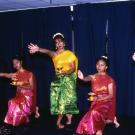
The Cambodian Arts Preservation Group dance troupe performs the Blessing Dance

Dance as Cultural Memory

RI.9-10.7, W.9-10.1

In this lesson, students will gain an understanding of elements, purpose, and cultural significance of traditional Cambodian dance. Students will also explore why traditional dance is considered a crucial link to Cambodian history and how efforts to preserve it have been made by refugees. Finally, they will develop skills in using primary and secondary sources to express their thoughts both orally and in writing.

Photo of Sinn Sisamouth

Cambodian Popular Music

RI.9-10.2, W.9-10.3

Students will listen to music as sociopolitical testimonies to analyze genocide—not only as physical violence, but also structural and cultural violence on a whole community.

Photo of Kalyanee Mam

Spotlight Series on Cambodians and Cambodian Americans (Secondary)

RI.9-10.7, W.9-10.7

Students will be introduced to then analyze the work of Cambodians and Cambodian Americans throughout history. In doing so, students will analyze the importance of the Cambodian/Cambodian American individuals’ works. Students can further their research about Cambodian culture by making connections with the works of Cambodians and Cambodian Americans to Cambodian history and culture.

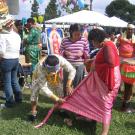
A photo of land development near Phnom Penh

Perseverance in Fighting Continued Displacement in Cambodia

W.9-10.8, RI.9-10.7, HSS 10.10

After students learn about the Cambodian Genocide and how it was carried out, students will now learn about the strength and perseverance of the Cambodian people’s fight against continued displacement. Students will explore Cambodian displacement in Boeung Kak Lake, its connection to human rights violations, and the agency and resistance of the Cambodian people to fight displacement.

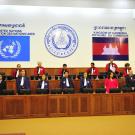
Extraordinary chambers in the Courts of Cambodia - Initial hearing case 002

Extraordinary Chambers in the Courts of Cambodia

W.9-10.8, RI.9-10.4, HSS 10.9.8

Through learning about attempts at bringing justice to those responsible for the Cambodian Genocide, students will learn about judicial systems and their ability to help prevent further crimes against humanity and hold people accountable for committing crimes against humanity. Students will determine the effectiveness of the ECCC in bringing about justice.