K-12 Lessons Search

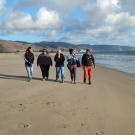
Members of Redbud Resource Group

Original Patriots: Cultural Revitalization & Healing Trauma in Native California (Part 3 of 3)

This lesson examines how cultural revitalization serves as a tool for healing intergenerational trauma and reclaiming identity in Native California. Through exploring key concepts like cultural revitalization, Land Back, and environmental stewardship, students analyze real-world examples of resilience and cultural resurgence led by Indigenous communities. Activities include group discussions, the Land Back Spider Graph analysis, and a Webquest featuring case studies of Native leaders. The lesson emphasizes the importance of connecting cultural practices with wellness, combating stereotypes, and fostering a deeper understanding of Indigenous persistence and sovereignty. The teacher must understand that despite our tragic history, Native communities continue to find hope, look to the future, and lead the way in repairing our relationships to local ecosystems. The teacher must be prepared to actively engage in conversations about resistance and resilience throughout this lesson. Essential Questions: How does cultural revitalization help Native communities heal from intergenerational trauma and reclaim their identities? What role do the Land Back movement and environmental stewardship play in restoring Indigenous sovereignty and fostering resilience? Students will engage with: One Turn and Talk discussion. Small group and class discussions. A spider graph to analyze a Land Back Case Study. Writing thoughtful responses to the Webquest guiding questions.

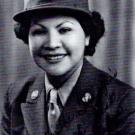
Dee Rouse, Yurok WWII Veteran

Original Patriots: First Hand Accounts of California Indian Veterans of World War II (Part 2)

This lesson explores the overlooked contributions of Native American veterans during World War II through first-person narratives. Students engage in activities that build historical understanding, such as discussing quotes, analyzing facts, and participating in a jigsaw reading activity. The lesson emphasizes the duality of Native American identity and service while addressing themes of resilience, motivation, and historical erasure. In order to build upon historical background knowledge, educators should first complete the lesson “US Assimilationist Policy and California’s Indigenous Peoples” with their class prior to this lesson. Essential questions: How did Native American veterans balance their cultural identity with their service to the United States during World War II? Why did Native Americans choose to serve in the U.S. military despite the injustices they faced? How can learning about these veterans’ stories challenge historical erasure and deepen our understanding of Native American contributions to history? The teacher must understand that despite our tragic history, Native communities continue to find hope, look to the future, and lead the way in repairing our relationships to local ecosystems. The teacher must be prepared to actively engage in conversations about resistance and resilience throughout this lesson.

Original Patriots US Assimilationist Policy and California’s Indigenous Peoples (Part 1)

Original Patriots: US Assimilationist Policy and California’s Indigenous Peoples (Part 1)

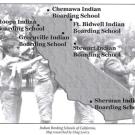
This lesson explores the history of forced assimilation of Native Americans, with a focus on Indian Boarding Schools as a key instrument of this policy. Students will gain an understanding of how these schools were used to suppress Native cultures and identities. This foundational lesson sets the stage for the next two lessons, which will explore Native American experiences in the US military and the themes of trauma and healing within Native communities.The teacher must understand that despite our tragic history, Native communities continue to find hope, look to the future, and lead the way in repairing our relationships to local ecosystems. The teacher must be prepared to actively engage in conversations about resistance and resilience throughout this lesson. Essential Questions: How did the US government abuse its power to acquire Indigenous lands during colonization? What were some of the policies of “forced assimilation” in the US? What were Indian Boarding schools and why were they created? What was it like to attend an Indian boarding school in the late 19th and early 20th centuries? Activities: Guided notes paired with the video resource. Think-Pair-Share discussions. Whole group discussion. Answering reading comprehension questions. KWL chart Writing a reflection paragraph in response to given prompts or a topic of their choosing. (Extension option: essay).

Wilverna Reece and Gina Saxon lighting fire to the land for cultural burns  in Karuk ancestral territory  © Karuk Tribe

Pa’asik’tavaansas Kuniktáamvunatih (The Women are Carrying Fire)

The unit titled Pa’asik’tavaansas Kuniktáamvunatih ("The Women are Carrying Fire") exposes high school students to the Karuk Tribe's cultural and ecological practices, emphasizing the integral role of fire in their traditions and environmental stewardship. Students will learn that Karuk people have utilized controlled, low-intensity burns for millennia to manage landscapes, enhance biodiversity, and maintain cultural practices. These methods, deeply embedded in the Karuk language and worldview, were disrupted by over a century of federal fire suppression policies. The Karuk Women's Fire Training and Exchange (KWTREX) program is a contemporary initiative aimed at revitalizing these traditions, empowering Indigenous women and Two-Spirit individuals to lead cultural burns and reclaim their ancestral fire practices. In these lessons, students will experience the dedication and responsibility to tenure land for cultural preservation of traditions like food sovereignty and the arts like basketry. Through a film produced by the KWTREX program, students will hear firsthand accounts from Indigenous women and Two-Spirit participants, sharing their experiences of healing and empowerment through cultural fire practices. The lesson will also introduce the concept of Traditional Ecological Knowledge (TEK) and its transmission through language, highlighting how the Karuk language encodes ecological wisdom related to fire management. Students will examine the differences between cultural fire and prescribed burning. By engaging with resources such as the Karuk Tribe's cultural fire storymap, students will research and reflect on the significance of cultural fire practices in adapting to climate change and restoring ecological balance. The overarching goal of this lesson is to foster an appreciation for Indigenous knowledge systems and their relevance in contemporary environmental challenges. Students will gain insight into the Karuk Tribe's efforts to revitalize cultural fire practices and the importance of language in preserving and transmitting ecological knowledge. Through these language integrated lessons, students will recognize the resilience and agency of Indigenous communities and their leadership in providing the necessary training for Karuk women in spaces traditionally occupied by men.


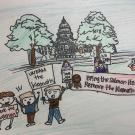
Student Work Sample - Community Action to Remove the Klamath Dams

People Impact Environments

This lesson introduces students to environmental protection and social issues related to the removal of dams. The lesson supports student reading skills as they pertain to understanding and identifying a theme and writing skills related to forming and communicating an opinion based on evidence. Essential questions: How can we uncover and explore themes from a story? How do people impact the environment? The teacher must: Understand that watersheds can be impacted by people, which can lead to positive or negative change for the plants, animals and people who rely on resources in the environment to survive. Be prepared to actively engage students to respect the natural environment and indigenous people who are culturally connected to natural resources. Actively engage students to respectfully state their opinions and discuss topics through academic argument based on strong research.

A photo of land development near Phnom Penh

Perseverance in Fighting Continued Displacement in Cambodia

After students learn about the Cambodian Genocide and how it was carried out, students will now learn about the strength and perseverance of the Cambodian people’s fight against continued displacement. Students will explore Cambodian displacement in Boeung Kak Lake, its connection to human rights violations, and the agency and resistance of the Cambodian people to fight displacement.