K-12 Lessons Search

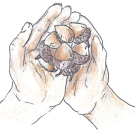
Return of the Condor © Jackie Fawn

The Beautiful Buzzard: Yurok Storytelling and Shadow Puppet Performance

This engaging and culturally rich unit invites young learners to explore the power of storytelling through the lens of the Yurok Tribe, the largest tribe in California and a Native community with a deep presence in Northwestern California. Ernie Albers, Yurok Storyteller shares his story “The Beautiful Buzzard” to engage students with the traditional artform of storytelling, how stories carry important messages, teach life lessons, and keep cultures alive across generations.
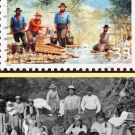
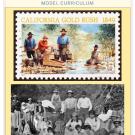
Gold Rush Unit cover art grade 4

The California Gold Rush: A Deeper Look at Its Costs Unit

This unit examines the California Gold Rush and its lasting significance in U.S. history, with a focus on its environmental and cultural impact on California Native American communities. Students will analyze the consequences of westward expansion, including the exploitation of natural resources and the widespread displacement of California Native peoples. Through critical inquiry, the unit encourages students to understand the broader consequences of the Gold Rush and reflect on its role in shaping California’s past and present.

The California Gold Rush A Deeper Look at Its Costs Unit

The California Gold Rush: A Deeper Look at Its Costs Unit

This unit examines the California Gold Rush and its lasting significance in U.S. history, with a focus on its environmental and cultural impact on California Native American communities. Students will analyze the consequences of westward expansion, including the exploitation of natural resources and the widespread displacement of California Native peoples. Through critical inquiry, the unit encourages students to understand the broader consequences of the Gold Rush and reflect on its role in shaping California’s past and present.

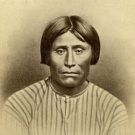
The Modoc War and People Today. Drawing of Captain Jack.

The Modoc War and People Today

This unit focuses on the Modoc War, a conflict between a small number of Modoc people and the US military in 1860’s and 1870s. The first lesson gives the background information needed to understand the lead-up to the conflict. The second and third lessons focus on different aspects of the conflict, including events and topography. The fourth lesson, the aftermath. A possible extension activity would be a field trip to the Lava Beds National Monument to see the battle sites and gain a deeper understanding of the natural fortifications the Modoc people used to hold off the military.

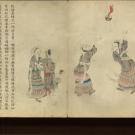
Chinese watercolor paintings of Miao people (Hmong) circa 1736 from Chinese Rare Book Collection.

The Origin of the Hmong in China

Students will learn the roots of the Hmong people in China and how displacement through persecution and war has led to the Hmong migrating south to Laos, Thailand and Vietnam. Through a platform of their choice, students will summarize and express the origin and identity of Hmong people and how it has been impacted by a history of being colonized, persecuted, and stateless.

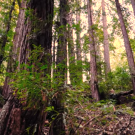
Resilient Redwoods CA Academy Sciences Ohlone Unit

The Resilience of Redwood Trees

Students investigate the unique adaptations that help redwood trees survive environmental challenges such as fire and drought. Each group researches a specific redwood characteristic (e.g., bark, sprouting roots) and connects it to the tree’s overall resilience. Students develop conservation plans and visual presentations to advocate for the protection of redwood forests.