K-12 Lessons Search

TEK Estuaries Save California Salmon 2022 © Jackie Fawn

California Tule

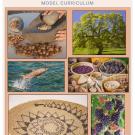
This lesson explores the significance of the tule plant in both cultural and contemporary contexts. Tule is an important plant in California, known by various names depending on the land and people associated with it. In the Central Valley, the most common species are Schoenoplectus acutus (Common Tule) and Schoenoplectus californicus (California Bulrush). The name "tule" is derived from the Spanish settlers who adopted the Nahuatl term "tōllin," used by Indigenous people in Mexico City, to refer to the plant they encountered in California. Tule grows in wetland environments such as ponds, lakes, marshes, and along shorelines of rivers, estuaries, and coastal areas. Historically, tule thrived across California, particularly in freshwater habitats. However, due to colonization, much of its habitat has been reduced by water diversions, drought, and development. As a result, tule is now primarily found in protected areas like state and federal parks, although California Indians face restrictions on gathering it in these locations. Before European settlement, tule was central to the culture and economy of California Indian tribes. It was used in a variety of ways, including for ceremonial purposes, transportation, hunting, and food preparation. Tule’s versatility allowed it to be woven into baskets, mats, clothing, and shelters. Many tribes, such as the Kumeyaay, crafted tule boats for hunting whales, while others used tule decoys for waterfowl hunting or wore tule skirts during ceremonies. The traditional harvesting and use of tule were guided by Indigenous practices, and multiple tribes often shared wetlands, managing them through tribal laws. Despite the challenges faced by tule due to colonization, it continues to be an essential plant in the cultural practices of California Indians, with its legacy preserved through modern generations.

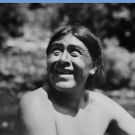
Carmelita as a young girl, sitting on a rock.

Carmelita Evans DeLucchi: Preserving Wel-mel-ti Culture and Traditions Through Oral History

Students will learn about Carmelita Evans DeLucchi, who was one of the last Northern Washoes born and raised in the “Old Indian Camp” on the hill above the town of Loyalton. Through a biography written by her granddaughter, students will learn a little about Carmelita’s life across “two worlds” – the traditional lifeways of her Wel-mel-ti family, and the settler-constructed town life of the 1930s and beyond. Carmelita survived a challenging start and early loss and recalled many happy memories of childhood. She embodied her culture’s values throughout college, her career, raising a family, and her return to Loyalton as her final resting place.

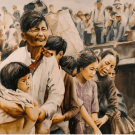
In this photo, the bride’s hair is symbolically cut in the Kat Sak (Hair cutting) wedding ceremony to represent a fresh start. Relatives and friends take turns cutting the hair of the bride and groom to cleanse the couple in preparation for their new life together and to bestow blessings of good fortune, happiness, prosperity, and longevity.

Celebrating Cambodian Traditions: Ceremonial Practices

Hair ceremonies have a long and significant history in Cambodian culture, intertwined with the country's rich traditions and deep-rooted beliefs. These ceremonies hold cultural, religious, and social importance, reflecting the values and customs of the Khmer people. Dating back centuries, hair ceremonies in Cambodia have been observed during various life stages, from birth to death. They are seen as symbolic markers of transition, spirituality, and community bonding. For example, the Bleak Chol Mlob ceremony celebrates a child's first haircut, signifying their growth and well-being. The Sraa Chol Mlob ceremony marks the coming of age, symbolizing maturity and the start of adult responsibilities. In the realm of spirituality, the Chol Mlob Srae ceremony involves head shaving for those seeking ordination as Buddhist monks, representing renunciation and a deeper commitment to the religious path. These hair ceremonies, deeply rooted in Cambodian history and culture, showcase the interconnectedness of tradition, spirituality, and community in the lives of its people.

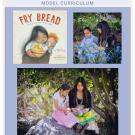
Young Cham students looking at a book.

Cham Cultural Heritage in Cambodia

The Cham people are an ethnic minority in Cambodia making up about two percent of the total population. Most of the Cham people practice Islam and maintain their cultural identity through their own distinct language and traditions while living in a country that is predominantly Buddhist and Khmer speaking. The Cham have faced multiple challenges throughout history in Cambodia, especially during the period of Khmer Rouge.

2016 Mai Yang Vang elected to Sacramento City Unified; Steve Ly elected as Mayor of Elk Grove; and Brandon Vang elected to Sanger School Board. Photo Credit Lance Lee given to Txhawb Magazine for "A New Chapter - Hmong in Poltics" article.

Civic Engagement and Empowerment

Students will learn that Hmong people have settled in the United States in large numbers, primarily in California, Minnesota, and Wisconsin. With the highest population of Hmong descent in California, this lesson focuses on the civic engagement and empowerment of Hmong communities. Students will explore examples of how the Hmong community in California have found their voice and made history in politics.