K-12 Lessons Search

California Missions Through Native American Perspectives Unit

Exploring California Missions Through Native American Perspectives Mission Field Trip Guide

Students: (1) Explore Native American resistance, resilience, and cultural survival; (2) Engage in critical thinking and empathy as students explore the California missions; (3) Reflect on cultural resilience, historical accuracy, and the consequences of colonization; (4) Explore California Indian history and culture before and during the mission period; (5) Analyze the impact of the missions on Native American communities.

Native Foods Unit

Family Recipe

In this lesson, students compare the nutritional qualities of Indigenous and introduced foods, interview a trusted adult about food traditions, and adapt a family recipe to include local Indigenous ingredients. Through these activities, students will deepen their understanding of nutrition, cultural connections to food, and the importance of incorporating healthy, whole foods into their diets.

Photo © Frank Tuttle

Feathers - A Primary Material

This lesson invites students to explore the deep and enduring connection between humans and feathers, focusing on their cultural and artistic significance in Native California. Feathers have long held a central place in Native life, symbolizing both celebration and spiritual balance within a once-thriving ecosystem teeming with birds. Students will discover how feathers served not only as striking artistic materials but also as powerful expressions of identity, ceremony, and ancestral tradition. Through thoughtful observation, note-taking, and discussion, learners will examine the observable qualities of feathers, understand how and why specific feathers were chosen, and explore how feathers were combined with other natural materials to create meaningful cultural objects. With beautiful images, a traditional story, and interactive reflection, this lesson offers a window into the sophisticated ways Native California tribes honored and utilized this cherished natural resource. Teachers will find this opportunity to connect students with Indigenous knowledge, environmental awareness, and the power of cultural expression.

Northeastern California, © Chag Lowry

Federal Indian Policies of Termination and Relocation in California

This lesson introduces students to the federal Indian policies of termination and relocation enacted against Native American peoples by the U.S. government in the 1950s. This era of federal Indian policy is often referred to as the Termination Era. This lesson focuses on a few federal Indian policies enacted by the U.S. through the Bureau of Indian Affairs in the 1950s and their impacts on Native American peoples, as well as some of the context of those policies. This lesson focuses on House Resolution 108 passed in 1953, The Indian Relocation Act of 1956, the Rancheria Termination Act of 1958, and to a lesser extent Public Law 280 also passed in 1953. The lesson plan includes one brief large-group reading and discussion activity, and an independent reading and annotation activity after a brief lecture and video clip. This lesson builds on important student skills such as annotating sources and participating in large group discussions. This lesson also encourages students to think about the long life of a law and its material impacts on living people. Essential Questions: When and why did the U.S. federal government enact policies of Indian termination and relocation? How were California Indians negatively affected by termination? What are some of the lasting impacts of termination and relocation? How did Native people in urban relocation centers make community? Students will: Remember government policies of Indian termination and relocation in the 20th century by actively listening and note-taking. Identify historical and legal government decisions that eroded tribes' political authority on their homelands by critically reading and annotating an article on the topic. Develop an understanding of how the U.S. extended its political reach over tribes in the 20th century by examining historical newspaper articles from a digital archive. The teacher must: Understand that federal Indian policies have had lasting impacts on contemporary Native American people. Be prepared to actively engage with students’ questions and observations as they walk them through primary sources from a digital archive.

TEK Cultural Burns Save California Salmon © Jackie Fawn

Forest and Fires

This cross curricular lesson introduces students to the differences between wildfires and cultural or controlled fires, grounding their learning in both traditional ecological knowledge and scientific understanding. Designed for 4th grade learners, the lesson uses clear language and high-interest visuals to explain how Indigenous fire practitioners have used fire as a powerful tool to care for their ancestral territory and ecosystems for generations.

Early Native Literacy

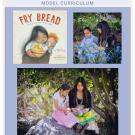
Fry Bread: A Native American Family Story

Students will learn about how Native American families have been important throughout history and how they work together to stay strong and keep their traditions. Students will understand that even when things are hard, people can be strong and keep going. They will learn that Native Americans have shown strength over time.

Rap Viet Underground

Genealogy of Stereotypes and Place-Making in Gangs

Students will be able to trace the genealogy of the stereotypes to gang influence and other socio-cultural environmental factors that Vietnamese American youth in the postwar generation faced (in the late 1990s through early 2000s) by analyzing various multimedia sources and drawing connections with their own identity and experiences in a personal free verse reflection.