K-12 Lessons Search

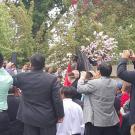
Gathering at City Council in Chico for community unveiling of General Vang Pao’s statue in 2015 taken by Ger Thao.

Community Action Plan

Hmong people’s participation in US politics is one way they have made the United States a home for them. Students will learn about the meaning of civic engagement and social action and why it is important to be civically engaged as a responsible community member. They will discuss what civic engagement and social actions look like and begin to identify possible issues that they care about in the (Hmong) community. Students will research and collect data to learn more about their issue and work to find a solution to their issue through producing a social action plan.

Condor Returns

Condor Returns

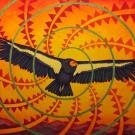
This interdisciplinary lesson explores the near extinction and ongoing recovery of the California Condor, highlighting the critical role played by the Yurok Tribe Wildlife Program in northwestern California.

Early Native Literacy

Contenders: Two Native Baseball Players, One World Series

Students will understand the challenges and barriers faced by Native American athletes in the early 20th century, especially in major leagues like MLB. Students will learn about the importance of the World Series in the early 20th century and how it served as both a personal and cultural milestone for players like Bender and Meyers.

Screenshot from Coyote's Journey A Karuk Story of Theft and Return on the Klamath River  as told by Lisa Morehead-Hillman and Leaf Hillman © Lisa Morehead-Hillman and Leaf Hillman

Coyote As Trickster

This lesson offers an insightful exploration of Coyote, a central figure in Native California oral traditions, focusing on his role as a Trickster. Coyote’s presence in these stories serves as a cultural icon and as a means of teaching important life lessons. As a character who embodies both human-like flaws and superhuman qualities, Coyote provides a unique opportunity to examine the complex ways in which rules, behaviors, and consequences are communicated within Native Californian culture. The lesson invites students to understand Coyote is more than a mere buffoon, he is a creator and an instructor. Students will analyze his actions, reflecting on the larger purpose they serve in teaching resilience, flexibility, and the consequences of mistakes. Through engaging activities such as group discussions, note-taking, and videos, students will deepen their understanding of Coyote’s role in both traditional and contemporary Native California cultures. By the end of the lesson, students will appreciate Coyote’s complexity and his continued significance in both past and present narratives. This lesson explores Native California traditions but also challenges students to think critically about the relationship between storytelling, culture, and human behavior


Creating a Life Line Cordage Technology

Creating a Life Line: Cordage Technology

The need for cordage in the form of thread, string, cord or rope has been a human need for thousands of years. Native California tribal craftspeople have a long history using available resources developing cordage for personal use and a prized item for local and far reaching intertribal trade. Thread, string and rope were integral to everyday life in Native California. A necessity for survival, and a little discussed supporting item for the arts and ceremonial life. Not only does cordage making necessitate a highly developed skill, but it also is intimately connected to the local environment.

Creating and Writing Land Acknowledgements

Creating and Writing Land Acknowledgements

This lesson asks students to critically analyze and engage with Land Acknowledgements by understanding their connection to ongoing movements for land return and challenging terminologies of western expansion like manifest destiny and “Firsting and Lasting.” Students will explore best practices for writing a land acknowledgement and critical understanding of how word choice and engagement with tribal voices can clarify the role of land acknowledgments personally/ at work/ and with government or other institutions (like school). Students will be asked to interpret words and phrases used in a text including technical, connotative, and figurative meanings and analyze the specific word choice, style, tone, and format used. They will also be asked to compose their own land acknowledgement.

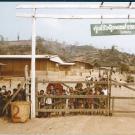
The gated entrance to Nam Yao Camp in Nan taken by Paul Paquette in 1980.

Critical Hope of Hmong People in Thailand Refugee Camps

Students will develop a deep understanding of life in the refugee camps by examining primary source documents, images, and interviews. Students will be able to identify how Hmong socially and economically created a camp culture of hope and resilience that allowed them to cope with the poor human conditions of the camp, the traumas of war, and separation through group discussions and share outs.

Hmong refugees walking through the Paj Ntaub Market at Vinai Camp during Hmong New Year in 1981. Each center, 9 in total, had their own market from Erica Hagen Vinai Photos Collection.

Crossing into Thailand: Secret War & HMoob Refugee Narrative

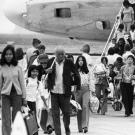
The primary objective of this lesson is to shed light on the challenges HMoob families face as they journey to Thailand while highlighting the variations in their migration patterns. Through this teaching, students will comprehend the disparities between migration accounts found in narratives and those derived from personal experiences of their own families or relatives.

California Missions Through Native American Perspectives Unit

Cultural Preservation Posters

In this lesson, students: (1) Design a visually appealing and informative poster highlighting the importance of cultural preservation among California Indigenous communities, focusing on traditions, language, art, or practices impacted by the mission system; (2) Reflect on cultural resilience, historical accuracy, and the consequences of colonization; (3) Explore California Indian history and culture before and during the mission period; and (4) Analyze the impact of the missions on Native American communities.

Dal Castro, Maidu Walk

Dal Castro, Maidu Walk

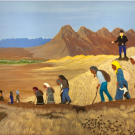
This powerful lesson invites students to engage deeply with a significant and painful chapter in California’s history through the lens of Nisenan Maidu artist Dalbert Castro and his compelling painting Maidu Walk. By exploring this artwork, students will uncover the human stories behind the forced removal of the Maidu and Nomlaki peoples during the Nome Cult March—a 133-mile journey marked by hardship, loss, and resilience. This lesson is designed not only to teach historical facts but to center Native perspectives and voices, fostering empathy and understanding through art as a form of storytelling and social commentary.